Electric rooflights have emerged as a sophisticated solution for enhancing home interiors. They seamlessly combine aesthetic appeal with practical benefits.
These fixtures not only invite natural light but also improve ventilation. Homeowners often find themselves drawn to the variety of styles available.
However, selecting the right design and location can be challenging. Understanding the nuances of electric rooflights is essential for making an informed decision that elevates both style and efficiency in any home.
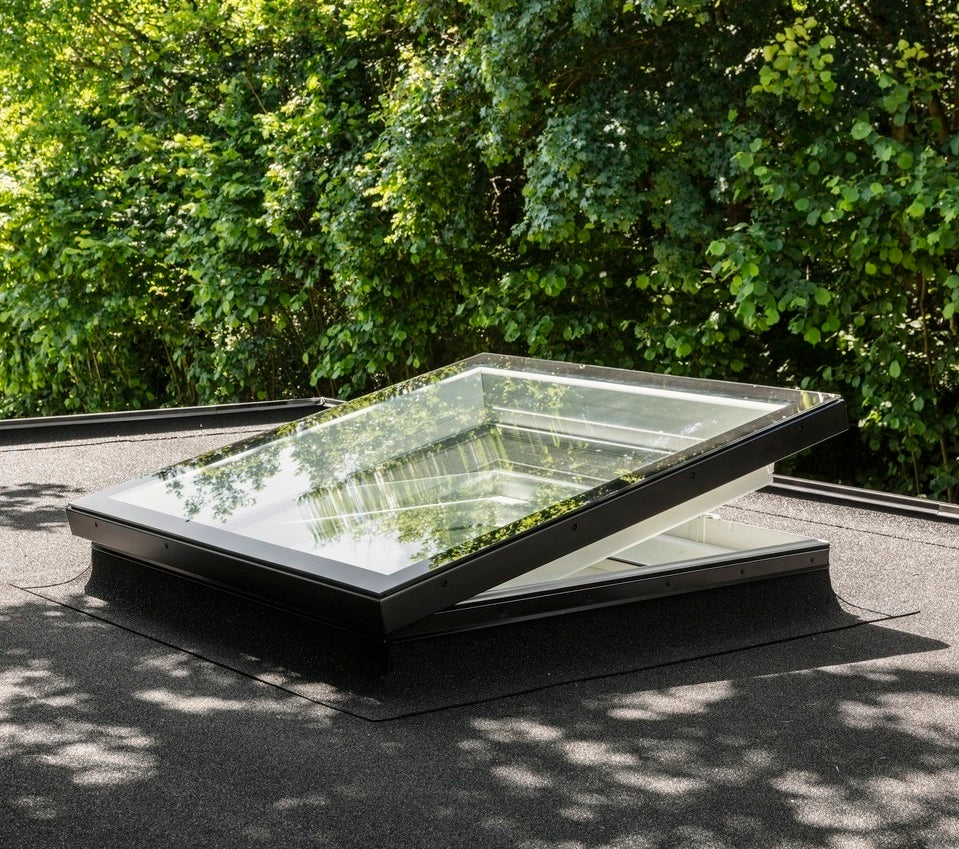
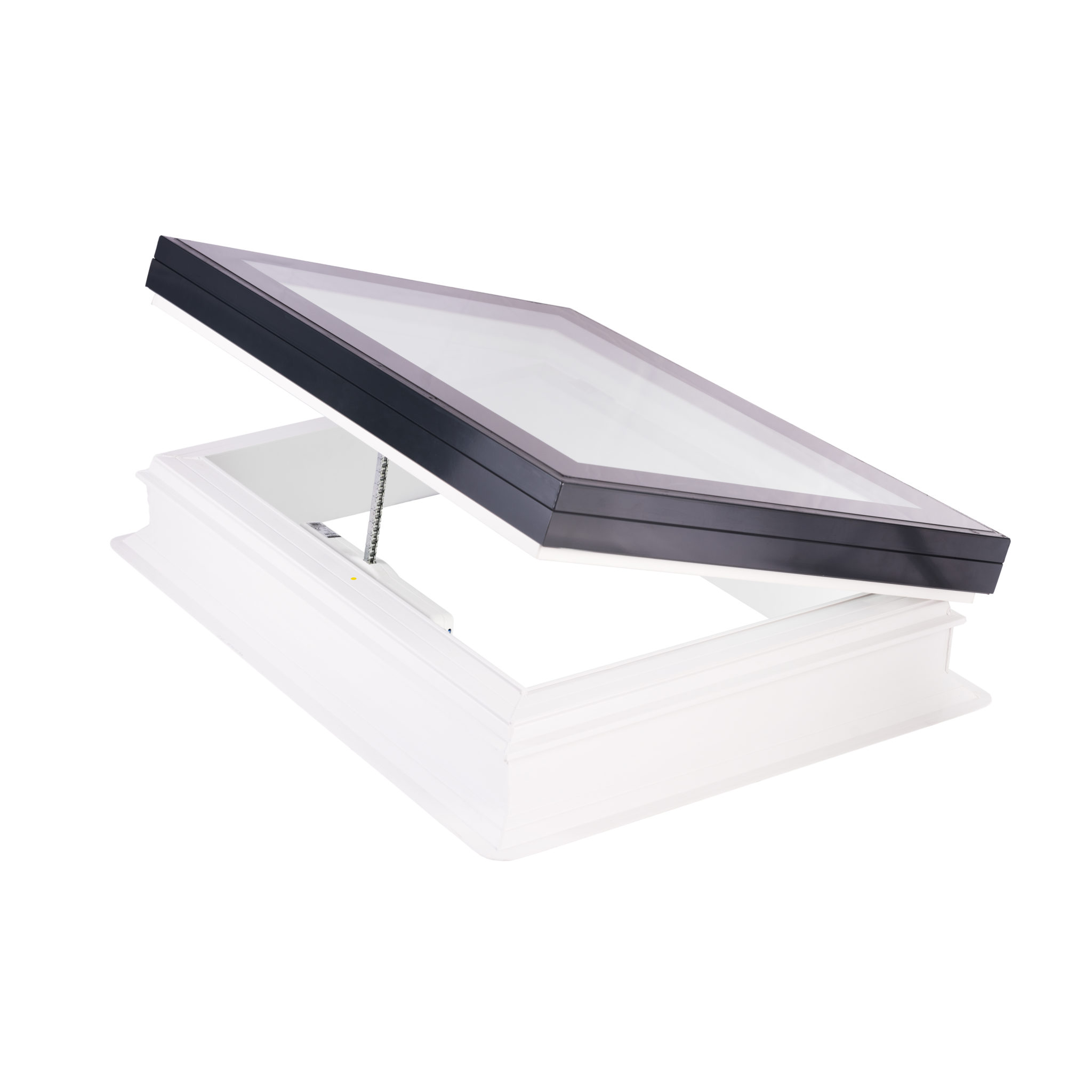
Electric rooflights are innovative fixtures that integrate seamlessly into building design, enhancing both aesthetics and functionality. These installations typically consist of glass panels that open and close electronically, allowing natural light to flood interiors while offering ventilation.
Electric rooflights can be designed in various shapes and sizes, fitting various architectural styles. They often include features such as remote control operation, rain sensors, and programmable settings to optimize usage.
As a modern solution, electric rooflights contribute to energy efficiency and improved indoor climate, providing a contemporary alternative to traditional skylights that require manual operation. Their versatility makes them suitable for residential and commercial spaces.
The advantages of electric rooflights extend beyond mere aesthetics, offering numerous benefits that enhance both comfort and efficiency in various spaces. These rooflights provide ample natural light, reducing reliance on artificial lighting and promoting energy savings.
They also improve ventilation, allowing fresh air to circulate, which contributes to a healthier indoor environment. Additionally, electric rooflights can be controlled remotely, enabling users to adjust light and airflow with ease.
Their ability to integrate seamlessly into modern home designs adds to their appeal. Overall, electric rooflights represent a practical investment that combines style, functionality, and environmental consciousness.
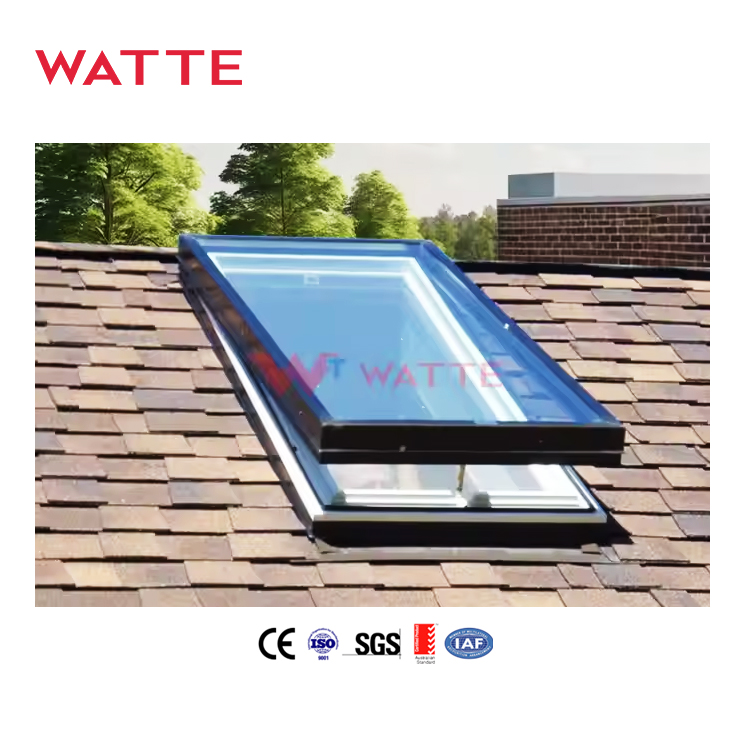
Rooflights come in a variety of styles and designs, catering to diverse architectural preferences and functional needs. Flat rooflights offer a sleek, modern appearance, blending seamlessly with contemporary homes. Meanwhile, dome-shaped rooflights provide increased natural light and ventilation, making them ideal for spaces requiring airflow.
Skylight windows, often operable, enhance functionality by allowing for both illumination and fresh air. For those seeking a touch of elegance, pyramid rooflights add a unique architectural element.
Additionally, bespoke designs can be tailored to match specific home aesthetics, ensuring that each installation not only serves a purpose but also complements the overall design of the property.
When determining the ideal placement for rooflights, several factors must be considered to maximize their benefits. First, the orientation of the building plays an important role; south-facing installations enhance natural light and warmth during the day.
Additionally, considering the room's purpose is vital; kitchen or living spaces benefit from increased sunlight, while bedrooms may require more subdued lighting. Proximity to existing electrical sources simplifies installation.
Moreover, evaluating the surrounding environment, including trees and neighboring structures, guarantees unobstructed views and best daylight. Ultimately, thoughtful placement contributes to energy efficiency and aesthetic appeal, transforming spaces beautifully.
Careful consideration of installation factors is essential to guarantee rooflights function effectively and enhance the overall space. Key aspects include evaluating the structural integrity of the roof, ensuring proper waterproofing, and considering local building regulations.
The orientation and placement of rooflights play an important role in maximizing natural light while minimizing heat loss. Additionally, electricians should assess the electrical requirements for automated systems, ensuring safe and efficient connections.
Proper insulation around the installation area will further enhance energy efficiency. Engaging professional installers familiar with these factors can lead to a successful installation, optimizing both function and aesthetics in the home.
Regular maintenance is essential for guaranteeing the longevity and best performance of electric rooflights. Homeowners should regularly inspect seals and frames for any signs of wear or damage, addressing issues promptly to prevent leaks.
Cleaning the glass surfaces with non-abrasive solutions will enhance transparency and brightness. Lubricating moving parts, such as hinges and motors, is vital to maintain smooth operation. Additionally, checking the electrical components guarantees safety and functionality.
Scheduling professional inspections every few years can help identify potential problems early. By adhering to these maintenance practices, homeowners can enjoy the benefits of their electric rooflights for years to come.
Electric rooflights typically have energy efficiency ratings ranging from A to G, with A being the most efficient. These ratings consider factors like thermal performance and UV resistance. High-quality electric rooflights, often featuring double or triple glazing, tend to achieve higher ratings, contributing to reduced energy consumption. Additionally, advancements in technology have improved insulation properties, allowing for better climate control within spaces, ultimately resulting in lower energy bills and enhanced comfort for homeowners.
Yes, electric rooflights can be installed in existing buildings. This process typically involves evaluating the structural integrity of the roof and ensuring proper sealing to prevent leaks. Professional installation is recommended to accommodate the existing architecture and maximize the benefits of natural light. In addition, retrofitting electric rooflights may enhance energy efficiency and aesthetic appeal, making them a viable option for those looking to upgrade their spaces without extensive renovations.
Yes, there are potential tax incentives for installing electric rooflights. Depending on the region, homeowners may qualify for energy efficiency tax credits or rebates that encourage the use of sustainable building practices. Such incentives aim to reduce the financial burden associated with eco-friendly installations. It's advisable for individuals to consult local tax regulations or financial advisors to understand eligibility and available programs specific to their location and circumstances.