The journey from novice to skilled angler often involves mastering various tools and techniques. A fish finder can play a significant role in this development.
By offering insights into underwater environments, these devices help anglers make informed decisions. Understanding their features and functionality is essential.
Yet, many users overlook key aspects that can enhance their fishing experience. What are the vital elements that can truly reveal the potential of a fish finder?
A fish finder revolutionizes the fishing experience by pinpointing underwater structures and locating fish with remarkable accuracy. For anglers, the device alleviates common frustrations such as uncertainty about fish locations and ineffective fishing spots.
With real-time data, users can adapt their strategies based on the dynamic behavior of fish and environmental conditions. This technology opens up opportunities for both novice and seasoned fishermen, enabling them to focus on technique rather than guesswork.
Additionally, a fish finder helps identify underwater features like rocks and weeds, which are essential for understanding fish habitats. By offering insights into water depth and temperature, it empowers anglers to make informed decisions about bait and lure choices. Ultimately, the fish finder transforms fishing from a mere pastime into a skillful pursuit, allowing anglers to maximize their potential and enjoy more successful outings on the water.
When selecting a fish finder, understanding essential features can greatly enhance the fishing experience. Key among these is the sonar technology, which provides real-time images of underwater structures and fish. Dual-frequency capabilities are also important, allowing for both shallow and deep water scanning.
A user-friendly interface guarantees that anglers can easily interpret data without confusion. Another vital feature is GPS integration, which aids in marking productive fishing spots and guiding back to them. Additionally, a clear, high-resolution display enhances visibility, particularly in bright sunlight.
Portability is a factor to take into account, especially for those fishing from kayaks or smaller boats. Finally, built-in mapping and charting capabilities can help in understanding lake contours and depths. By focusing on these essential features, anglers can select a fish finder that greatly boosts their fishing proficiency.
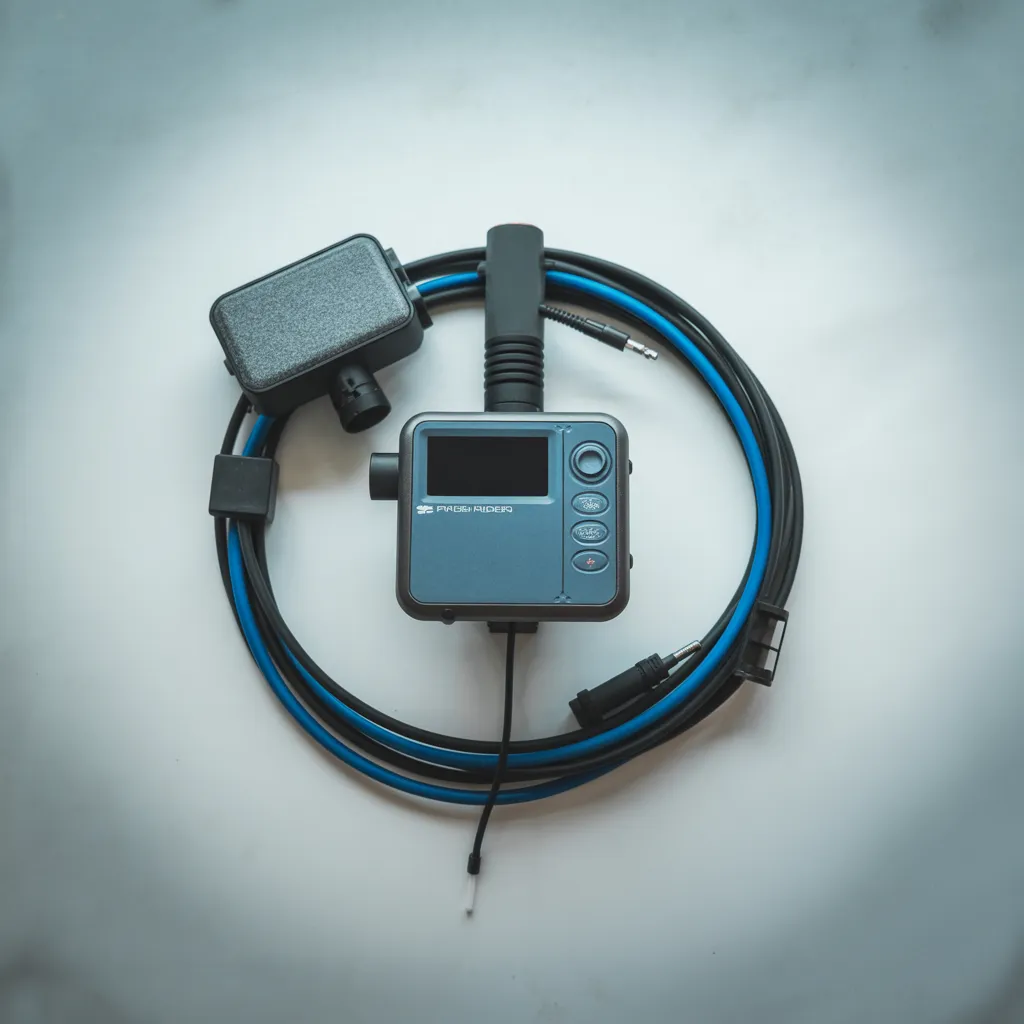
How can an angler choose the right fish finder amidst the myriad of options available? The selection process begins with identifying specific needs based on fishing style and environment. For freshwater anglers, a more basic model may suffice, while saltwater fishermen might require advanced features for deeper waters.
Next, the display type plays an essential role. High-resolution screens enhance visibility, particularly in bright sunlight. Additionally, sonar technology-whether traditional 2D, CHIRP, or down imaging-affects the clarity and detail of underwater structures and fish. Portability is another consideration; some anglers prefer handheld units, while others opt for mounted systems. Budget constraints also influence decisions, as prices can vary greatly.
Finally, reviewing user feedback and expert recommendations can provide valuable insights. By carefully evaluating these factors, an angler can confidently select a fish finder that aligns with their fishing goals and enhances their experience on the water.
Understanding the features of a fish finder can significantly enhance a fishing experience, as these devices offer valuable insights into underwater environments. Key features include sonar technology, which helps detect fish and underwater structures.
Different types of sonar, such as traditional 2D and advanced 3D imaging, provide varying levels of detail. Additionally, GPS capabilities allow anglers to mark productive fishing spots and navigate efficiently. Screen size and resolution impact visibility, while user-friendly interfaces simplify operation.
Water depth and temperature readings are also essential for identifying fish activity. By familiarizing themselves with these features, anglers can make informed decisions and improve their chances of a successful catch, ultimately transforming their fishing outings into more rewarding experiences.
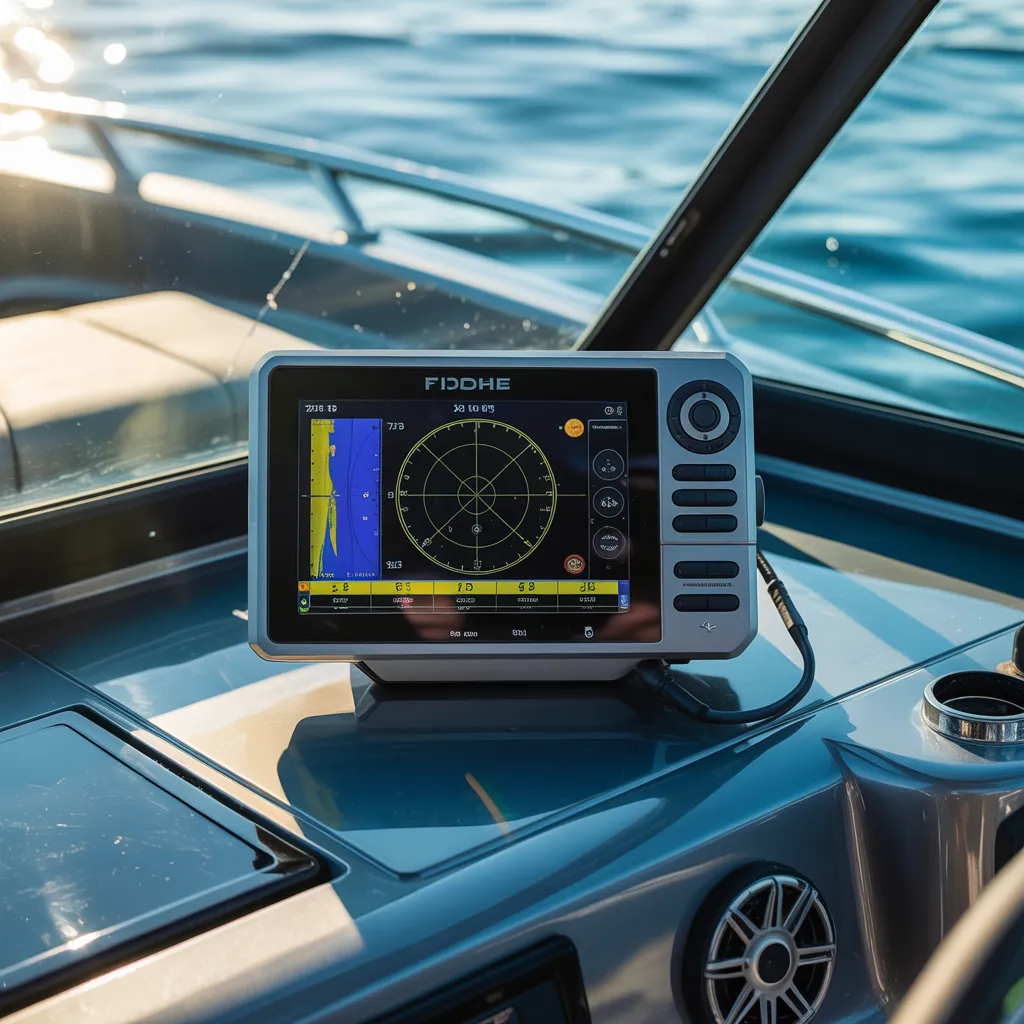
While a fish finder can provide essential data, effectively interpreting sonar readings is crucial for maximizing its potential. Users should familiarize themselves with the display, recognizing symbols and colors that indicate fish, structure, and bottom composition.
Different frequencies reveal varying details; higher frequencies offer clearer images of smaller targets, while lower frequencies penetrate deeper waters. Understanding the cone angle helps anglers identify the coverage area beneath the boat, guiding them to prime fishing spots.
Additionally, recognizing changes in the sonar signature can indicate fish activity or underwater structures. By developing these interpretative skills, anglers can enhance their decision-making, leading to more successful fishing trips and a deeper engagement with the aquatic environment.
Accurate mapping of water depths is essential for anglers aiming to optimize their fishing experience. Fish finders equipped with advanced sonar technology provide detailed depth readings, allowing users to understand underwater topography.
By utilizing these devices, anglers can identify structures such as drop-offs, ledges, and submerged vegetation, which often attract fish. To maximize effectiveness, it is vital to calibrate the fish finder properly and adjust settings based on water conditions. Regularly updating maps and saving waypoints can enhance navigation and improve targeting strategies.
Furthermore, understanding depth contours helps anglers select appropriate lures and techniques. Ultimately, mastering depth mapping transforms a fishing outing into a more strategic and productive endeavor, elevating skills and increasing success rates on the water.
Yes, fish finders typically require regular software updates to guarantee peak performance and access to new features. Keeping the device updated helps maintain accuracy and enhances the overall fishing experience for users.
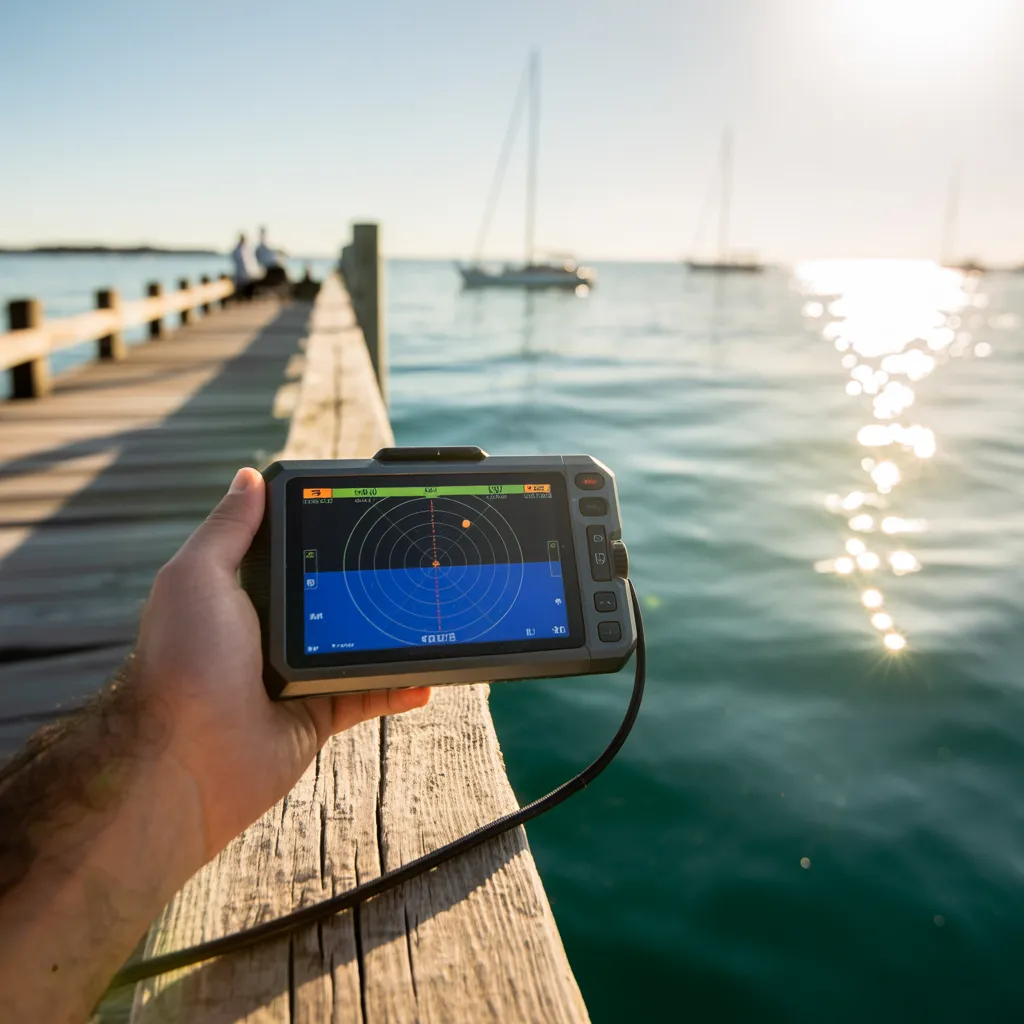
Yes, a fish finder can be used from shore. Many models offer shore-based operation, allowing anglers to scan underwater structures and locate fish effectively, enhancing fishing success even without being on a boat.
Regular maintenance for fish finders includes cleaning the transducer, checking connections, updating software, and ensuring the battery is charged. Routine inspections for any physical damage also help prolong the device's lifespan and functionality.