Choosing the right promotional products is vital for an effective marketing strategy. It requires a deep understanding of the target audience and a clear set of marketing goals.
Many businesses overlook these essential steps, leading to wasted resources. By focusing on relevance and quality, companies can enhance their brand perception.
However, the process doesn't end there; evaluating distribution methods plays a significant role in success. What factors should be considered next?
Understanding the target audience is essential for selecting effective promotional products. Identifying the demographics, preferences, and interests of potential customers allows marketers to tailor their offerings. For example, younger audiences may respond better to trendy tech gadgets, while older demographics might prefer practical items like reusable shopping bags.
Additionally, understanding the audience's values can guide product selection; eco-conscious consumers may appreciate sustainable items. Conducting surveys or analyzing previous marketing campaigns can provide valuable insights into what resonates with the target group.
Ultimately, aligning promotional products with audience expectations enhances engagement and increases the likelihood of brand loyalty. By focusing on the specific needs and preferences of the target market, brands can make informed decisions that maximize the effectiveness of their promotional efforts.
Clarity in marketing goals serves as a guiding compass for promotional product selection. Businesses must establish specific, measurable, achievable, relevant, and time-bound (SMART) goals to effectively steer their marketing efforts.
By defining objectives such as increasing brand awareness, generating leads, or enhancing customer loyalty, companies can align their promotional product choices with desired outcomes. Clear goals allow marketers to prioritize their strategies and allocate resources efficiently, ensuring that each promotional product serves a purpose within the broader marketing framework.
Additionally, having well-defined goals aids in evaluating the success of promotional campaigns, enabling businesses to make informed decisions in future initiatives. Ultimately, setting clear marketing goals lays the foundation for a successful promotional product strategy.
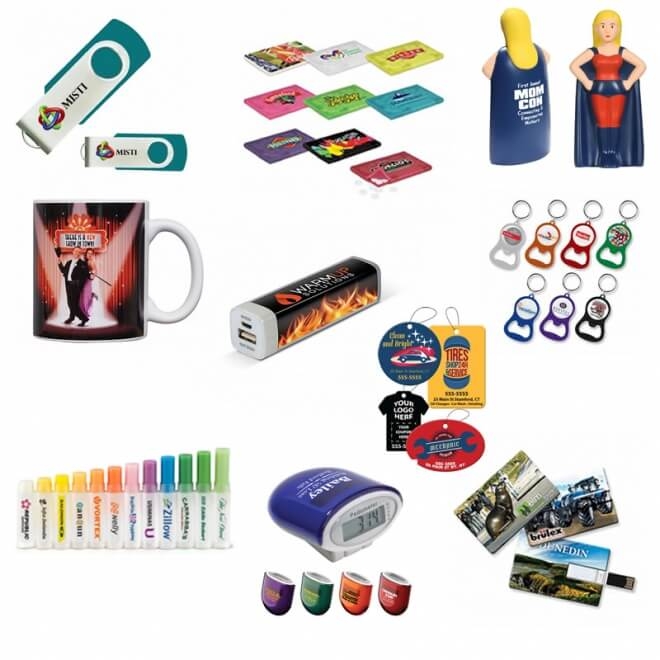
Selecting promotional products that are relevant and useful to the target audience is essential for maximizing marketing effectiveness. When businesses align their promotional items with the interests and needs of their consumers, they increase the likelihood of engagement and brand recall.
For instance, a tech company may choose to distribute branded USB drives or phone chargers, while a health-focused brand might opt for reusable water bottles or fitness trackers. Understanding the audience's preferences and daily activities allows marketers to choose items that will be appreciated and used frequently, thereby reinforcing the brand's presence in customers' lives.
Ultimately, the right promotional products not only serve as effective marketing tools but also enhance customer satisfaction and loyalty.
Budgeting plays a pivotal role in the selection of promotional products, influencing both the quality and quantity of items that can be acquired. Businesses must first establish a clear budget based on their overall marketing strategy and goals.
This budget should account for not only the cost of the products themselves but also additional expenses such as design, shipping, and storage. By having a defined budget, companies can make informed choices that align with their financial capabilities while still achieving marketing objectives.
It is crucial to guarantee that funds are allocated wisely, allowing for the selection of products that can effectively reach target audiences without compromising the overall marketing impact. Ultimately, a well-considered budget can optimize promotional efforts and enhance brand visibility.

While businesses may be tempted to acquire a larger quantity of promotional products to maximize reach, prioritizing quality can yield far greater benefits in the long run. High-quality promotional items not only reflect a brand's commitment to excellence but also enhance customer perception and loyalty.
When consumers receive well-made products, they are more likely to use them regularly, keeping the brand top of mind. Additionally, quality items tend to have a longer lifespan, ensuring that the promotional message endures over time.
Investing in fewer, superior products can lead to more meaningful engagements and a stronger brand image. Ultimately, businesses that focus on quality rather than quantity are likely to see a higher return on their marketing investment.
Effective promotional products require not only quality but also a strategic approach to distribution. Evaluating the appropriate distribution method guarantees that the products reach the target audience effectively. Businesses should consider various channels, such as direct mail, events, trade shows, or retail partnerships, to maximize exposure.
Each method has unique advantages; for instance, events allow for personal interaction, while direct mail can reach a broader audience. Additionally, timing plays a critical role; aligning product distribution with marketing campaigns can enhance engagement.
It is vital to assess the demographics and preferences of the target market to select the most effective distribution approach. Ultimately, a thoughtful distribution strategy amplifies the impact of promotional products, driving brand awareness and customer loyalty.

Legal considerations for using promotional products include compliance with copyright and trademark laws, ensuring that designs do not infringe on existing intellectual property. Businesses must also adhere to safety regulations, particularly for products intended for children. Additionally, labeling requirements should be met, disclosing any materials used. Companies should consider the implications of privacy laws if personal data is collected during promotional campaigns, ensuring clear communication of data usage to participants.
There are several legal considerations for promotional product giveaways. Businesses must guarantee compliance with advertising laws, including truth in advertising and avoiding misleading claims. Additionally, they should be aware of regulations concerning sweepstakes and contests, including eligibility and disclosure requirements. Intellectual property rights must also be considered, ensuring that products do not infringe on trademarks or copyrights. Finally, tax implications for recipients may arise, making it essential for companies to stay informed on relevant laws.
Promotional products can indeed be eco-friendly. Many companies now offer items made from sustainable materials, such as recycled plastics or organic cotton. These products not only reduce environmental impact but also resonate with consumers who prioritize sustainability. By choosing eco-friendly promotional items, businesses can enhance their brand image while contributing positively to the planet. This approach appeals to environmentally conscious customers, potentially fostering loyalty and increasing brand visibility in a competitive market.